RingmarkVogelwarte / Helgoland

Bird observatory / Helgoland / every day since 1909

Thirty-onethousandbirds. One island.

One trap, hourly rounds from first light, and a hundred and seventeen years of the same nine measurements written down in the same order.

A day at the station
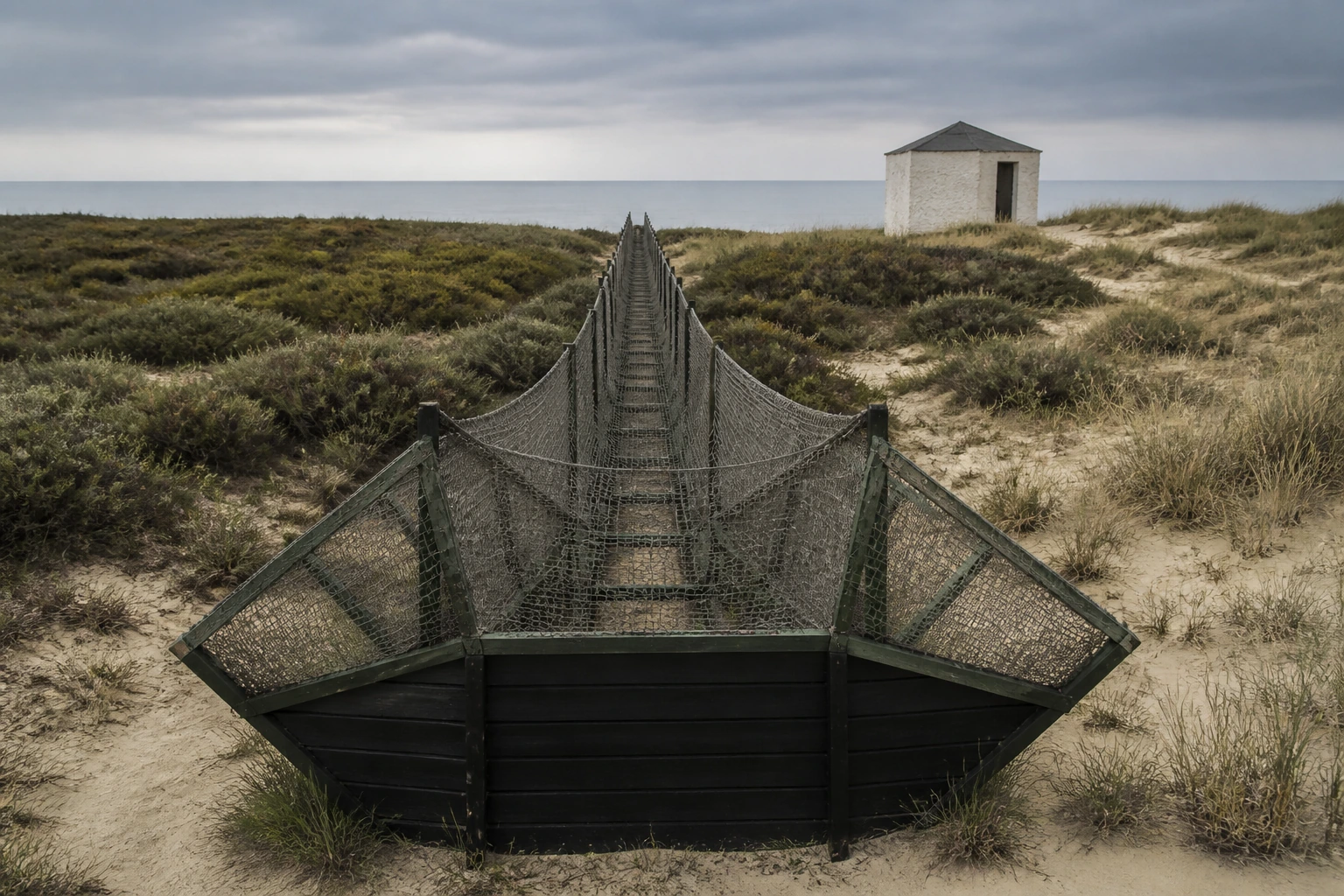
A large timber and netting Heligoland funnel trap running through low dune scrub
The funnel, from the wide end. Sixty metres to the catching box.

Last year, in order

Twenty-two species of the hundred and sixty-four recorded. Everything under twenty birds is in the appendix, not on the front page.

  • Goldcrest4 118
  • Robin2 906
  • Blackcap2 441
  • Chiffchaff1 887
  • Song Thrush1 402
  • Dunnock1 190
  • Willow Warbler1 044
  • Redwing968
  • Blackbird901
  • Brambling744
  • Reed Warbler612
  • Redstart588
  • Wheatear431
  • Pied Flycatcher397
  • Siskin362
  • Whitethroat318
  • Bluethroat204
  • Wryneck96
  • Barred Warbler61
  • Red-backed Shrike44
  • Yellow-browed Warbler38
  • Icterine Warbler27

The value of this station is not any single year. It is that somebody walked the same trap on the same island every day for a hundred and seventeen years and wrote down what was in it, on days when there was nothing in it at all.

Ringmark is a working ringing station, not a visitor centre. Three staff, six volunteers at a time, one trap and a hut that has been rebuilt four times.

Everything we catch is measured, ringed and released inside about ninety seconds. Everything we record is published, including the years that make no sense.

A day, five times over

Sixteen rounds between first light and dusk, and the same five things every time.
  1. 01

    First round

    The trap is walked at first light, before the birds have settled and before the gulls find them05:00
  2. 02

    Hourly rounds

    Every hour to dusk. A bird is out of the trap and in a bag within four minutes, which is the whole discipline06:00 – 21:00
  3. 03

    On the bench

    Ring, species, age, sex, wing, weight, fat and muscle. Ninety seconds a bird, and the bird decides if it is lessContinuous
  4. 04

    Release

    From the hand, at the door, facing the dunes. Nothing is held over, nothing is keptContinuous
  5. 05

    Enter and check

    Written on paper first, typed the same evening, and read back by a second person before it counts22:00
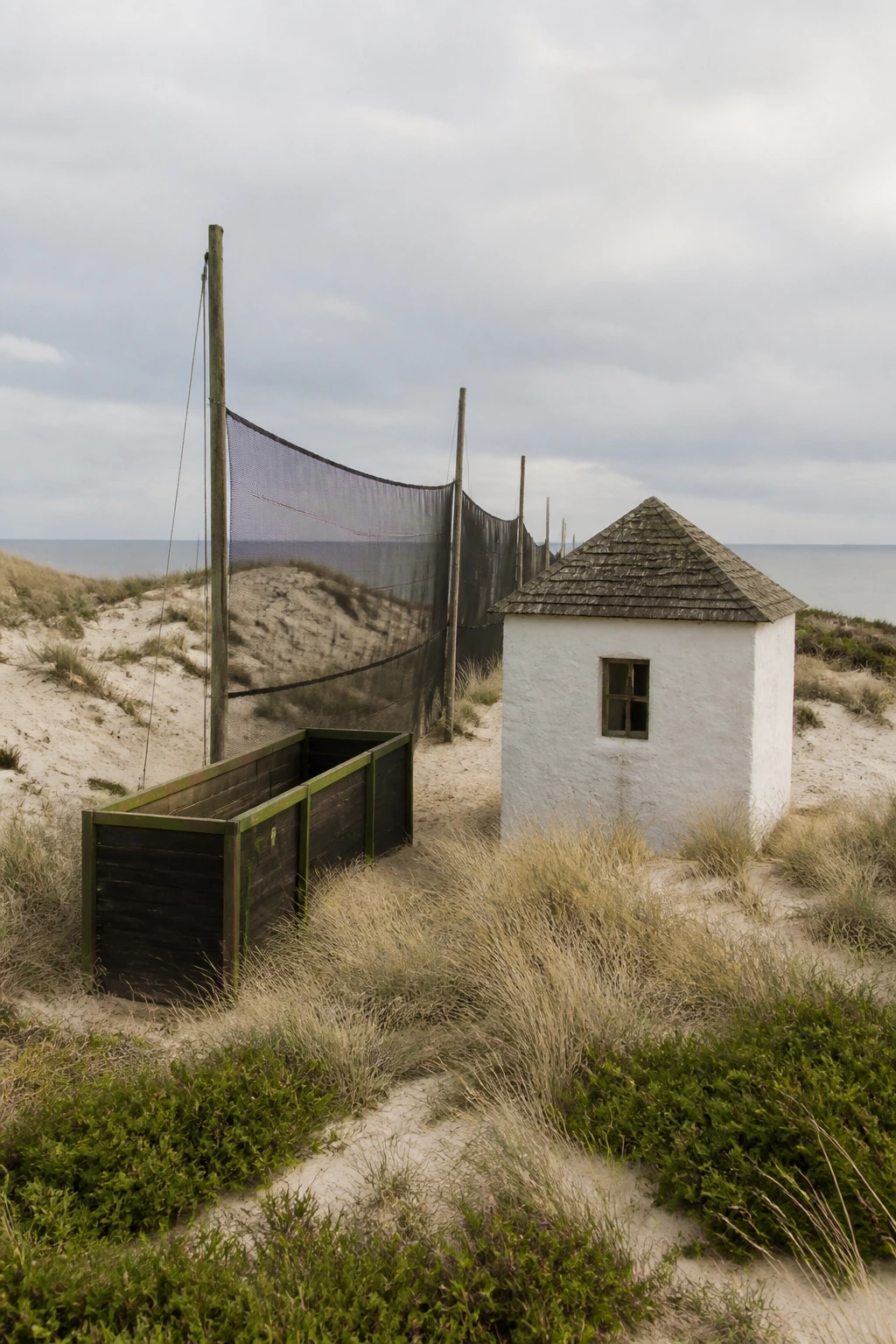
A small whitewashed bird observatory hut standing among dunes under a pale sky
The hut. Rebuilt in 1947, 1962, 1991 and 2018, in the same footprint.
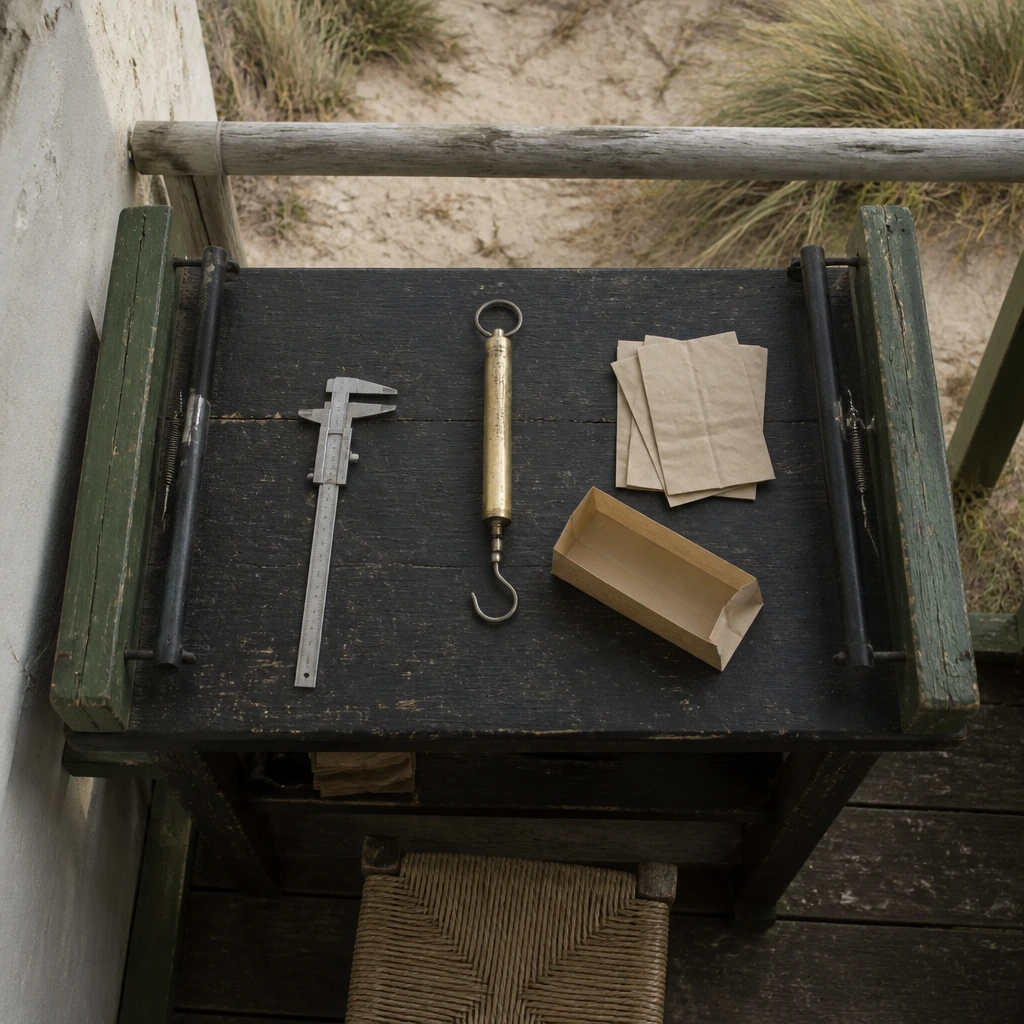
A ringing bench seen from above with calipers, a spring balance and small paper bags
The bench. Nine measurements, in this order, since 1909.

Three things we do not bend

Two are about the birds. The third is about what a long series is worth.

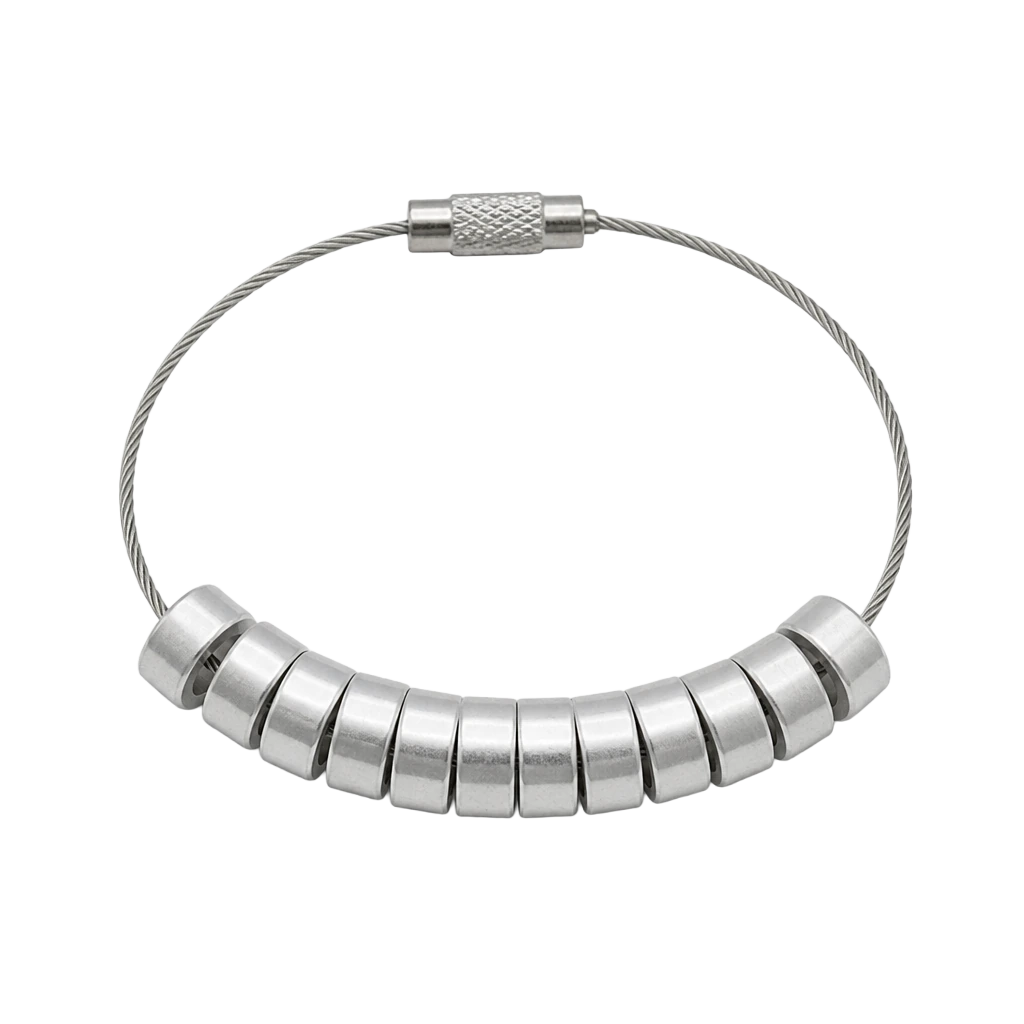
A small coil of plain aluminium bird rings on a wire loop

I

Every bird, every day

The station has been manned on every single day since 1909, through two wars and one evacuation. A gap in a hundred-and-seventeen-year series is worth more than any one season in it.
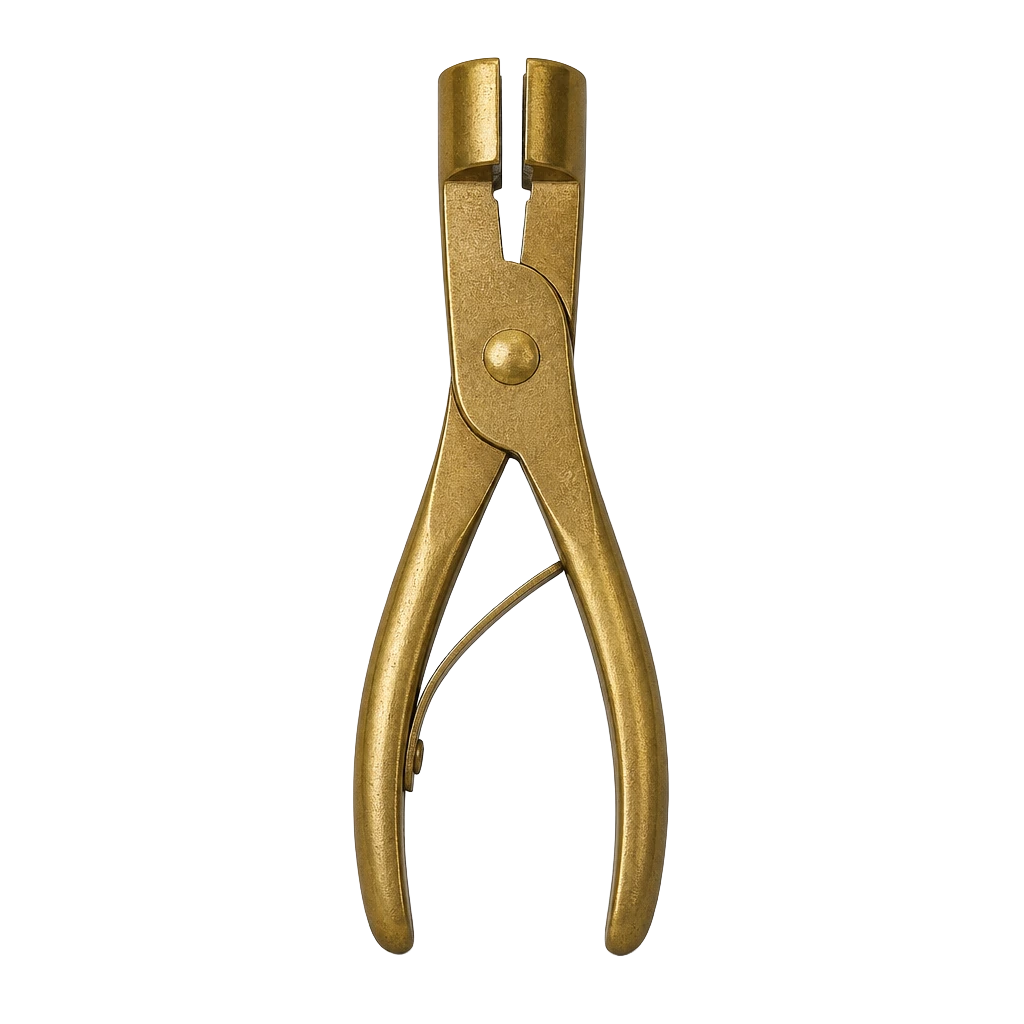
A pair of brass bird-ringing pliers

II

Four minutes in the trap

Rounds are hourly and never skipped, whatever the weather is doing. A bird that waits is a bird that loses more than the data is worth.
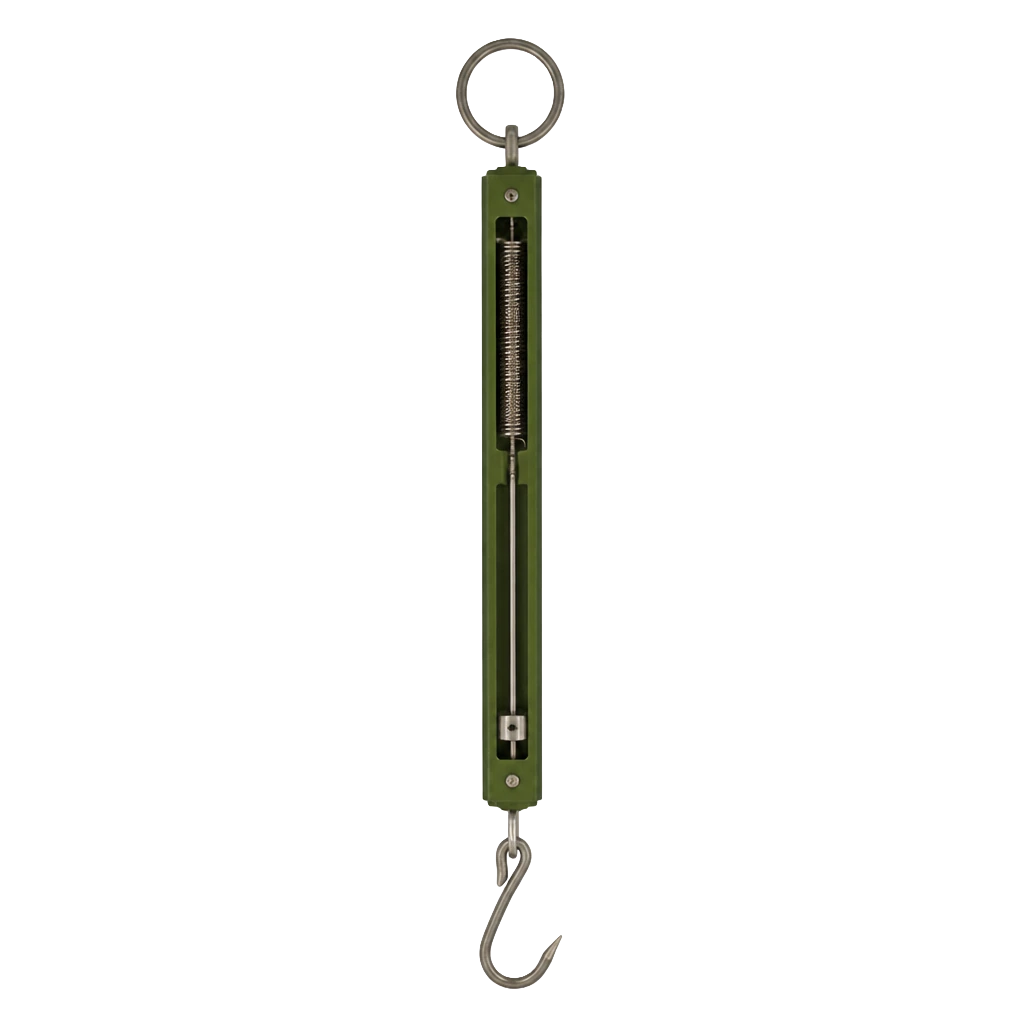
A slim spring balance with a hook at one end

III

Published as recorded

Totals go out every January without smoothing, without adjustment and without a covering note explaining why a bad year was really quite good.

Eight years

Published every January. A control is one of our rings read by somebody else, somewhere else.

  1. 202631 208164 species11 controls abroadWettest autumn on record
  2. 202528 771158 species19 controls abroadLate Goldcrest fall, 3 700 in a day
  3. 202434 990171 species14 controls abroadFirst Siberian Rubythroat since 1991
  4. 202326 415149 species9 controls abroadTrap rebuilt, six weeks lost
  5. 202230 116162 species21 controls abroad
  6. 202129 004155 species17 controls abroadTwo-week closure in April
  7. 202022 388141 species6 controls abroadStation manned by two people only
  8. 201933 542168 species15 controls abroadCentenary of the ringing scheme

A day with nothing in the trap is a data point. It took us forty years to start writing those down.

Dr Heike Stolzenberg, station head

What goes on the card

Nine measurements and an initial. The order has not changed since the first ledger.

  1. RingAluminium, size 0 to 6Fitted with pliersNever re-used
  2. WingMaximum chordTo 0.5 mmStopped rule
  3. WeightTo 0.1 gIn a cone or a bagSpring balance, tared
  4. FatScore 0 to 8Furcular hollowBy eye, one observer
  5. MuscleScore 0 to 3Over the keelBy eye, one observer
  6. AgeEURING codePlumage and skullRecorded as unknown when unknown
  7. MoultPrimaries scored0 to 5 per featherOnly in autumn
  8. TimeTo the nearest hourRound, not captureLocal time, never shifted
  9. ObserverInitialsEvery single recordErrors are attributable
  10. CheckSecond readerSame eveningBefore it enters the database

Coming up the hill

Station
Am Fallberg, 27498 Helgoland. Twenty minutes up from the harbour.
Watching
Anyone may follow a round. Ask at the door; nobody has ever been turned away.
Volunteers
Two-week placements, March to November. Bunk, food and no wages at all.
Data
Every record since 1909 is public. The paper ledgers are digitised to 1962 so far.

Placements, recoveries, data requests

The ringing report

How often
Twice a season, and once more if something odd lands.
What is in it
Totals, recoveries, and the birds we did not expect.
Found a ring?
Send the number to fang@ringmark.example instead.

Am Fallberg, 27498 Helgoland. If you have found one of our rings, send the number and the place and we will tell you where the bird has been — that is a letter, not a newsletter, and it is always answered.