Anno MCMLXVIII

Madrigal

Atelier di Liuteria · Casteldoro

A Madrigal violin standing upright against a carved linocut pattern, varnish glowing amber

Instruments in the old manner

Two benches, one varnish room, and fifty-eight years of morning light. The Madrigal workshop builds violins, bows, and cases for players who intend to keep them for life, and then leave them to someone who will.

Commissions open · autumn waitlist, from September the 1st

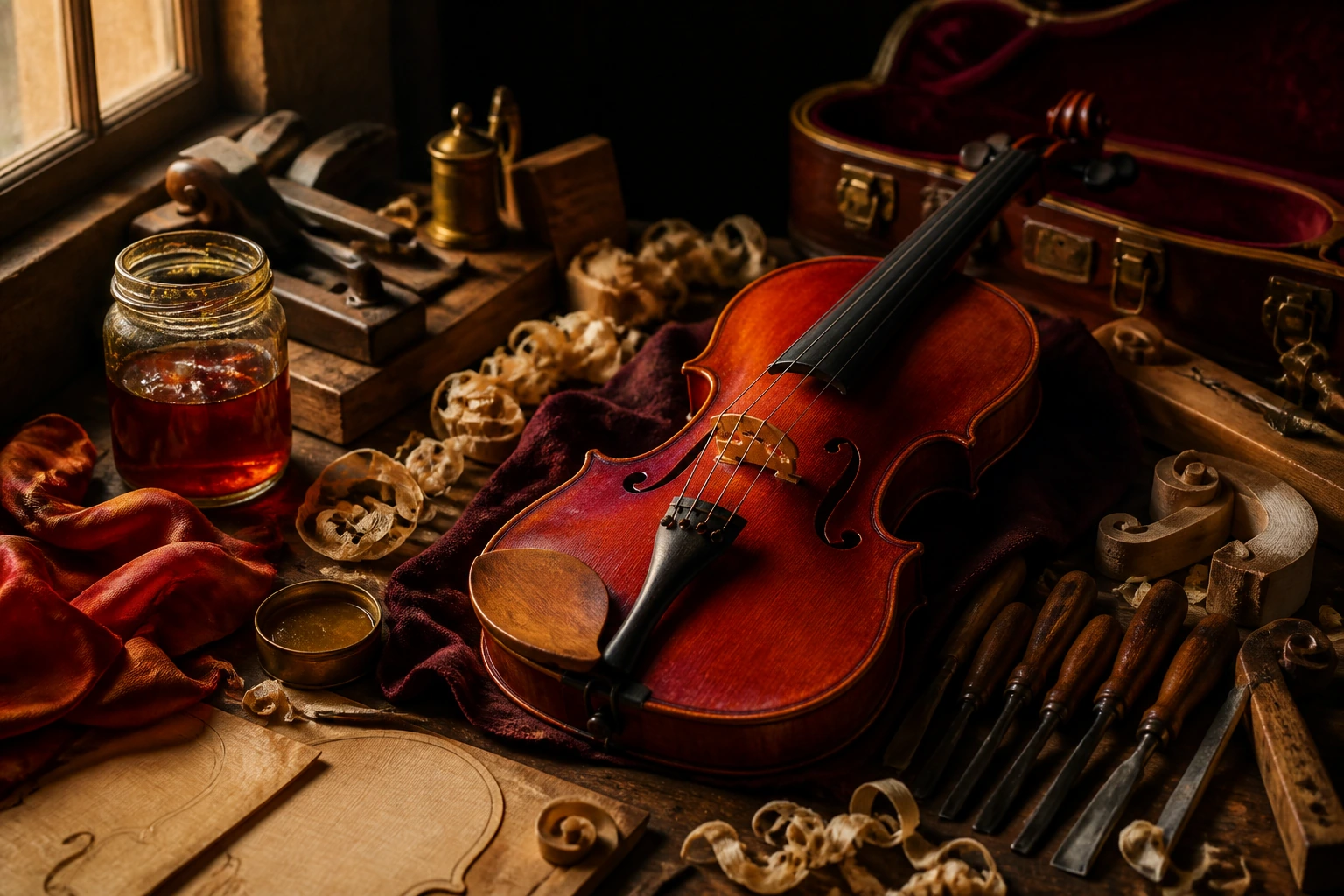
A violin in progress resting on the workbench among shavings, gouges, and a pot of varnish
The front bench, a little after seven in the morning.

A Short History of the House

Madrigal is not an old workshop by the standards of this town, where the pavement remembers three centuries of shavings. It is, however, a stubborn one. Founded in 1968 in a single corner room, it has occupied the same address, kept the same hours, and refused the same shortcuts ever since. What follows are the dates we consider worth engraving.

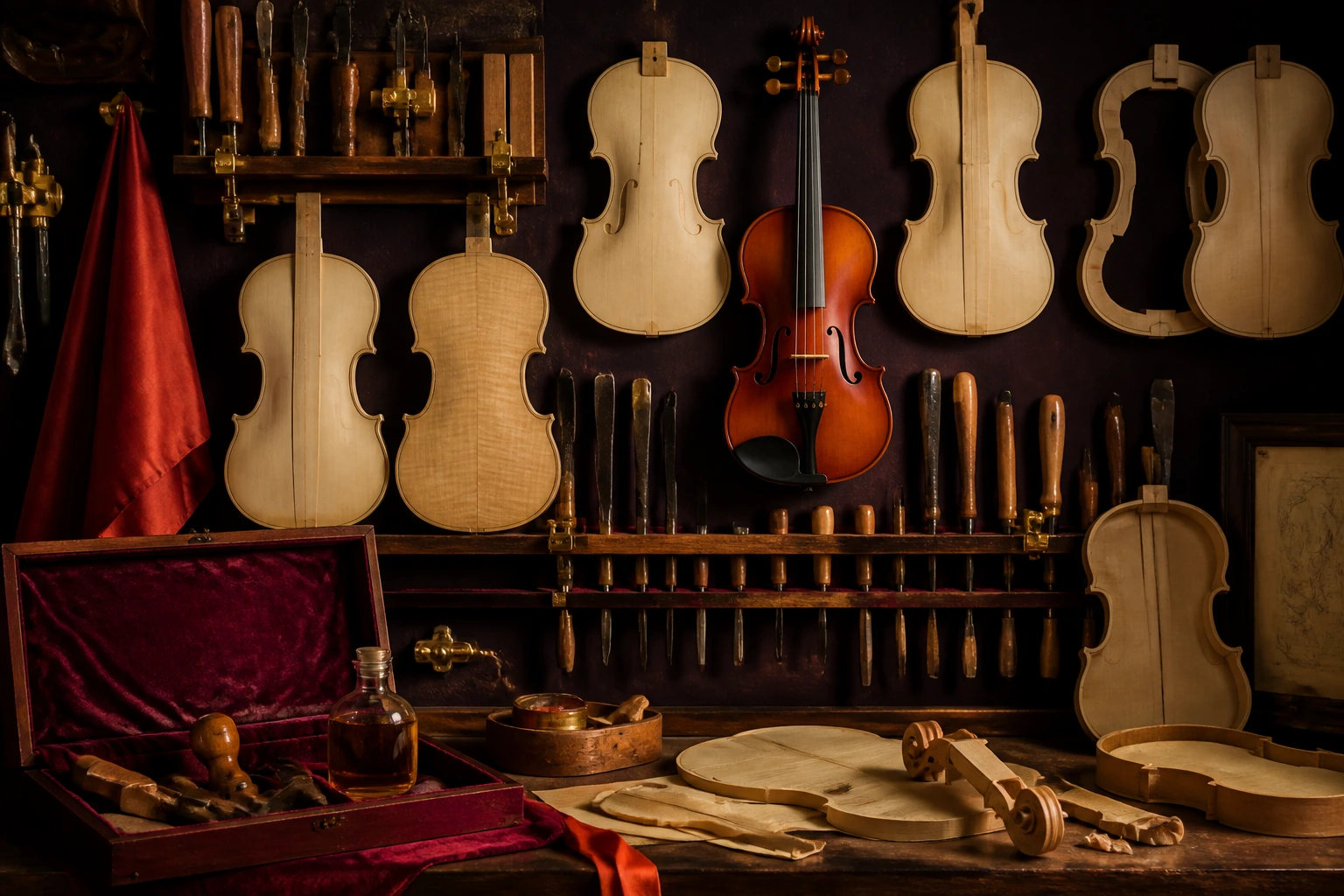
The workshop wall: tools on hooks, violin bodies in the white hanging in a patient row
The north wall, instruments in the white, waiting on the varnish room.
  1. 1968

    Aurelio Madrigal, thirty-six and lately of the Ferrante workshop, takes a lease on the corner room at Vicolo dei Liutai 7 and builds his first bench from the crates his tools arrived in.

  2. 1974

    The first Casteldoro model violin is completed and sold, after two years of argument with its arching. Aurelio keeps the drawings; we still work from them.

  3. 1979

    His son Ottavio, aged eleven, is paid one coin per week to keep the glue pot and say nothing. He manages the first duty perfectly.

  4. 1994

    Ottavio takes the front bench. Aurelio moves to the window seat, where the light is better and the criticism has a shorter distance to travel.

  5. 2007

    Aurelio dies in October, three days after varnishing his two-hundredth instrument. The workshop closes for a month and reopens with his chisels sharpened.

  6. 2019

    The attic wood library reaches three hundred billets, the oldest seasoned since 1981. We began refusing wood we will not live to use; it goes to younger hands.

The Instruments

Three things leave this workshop, each numbered in the ledger Aurelio opened in 1968. We make eight or nine violins in a year, a handful of bows, and cases as the bending forms allow. Prices are those of the current ledger page and include the adjustment year.

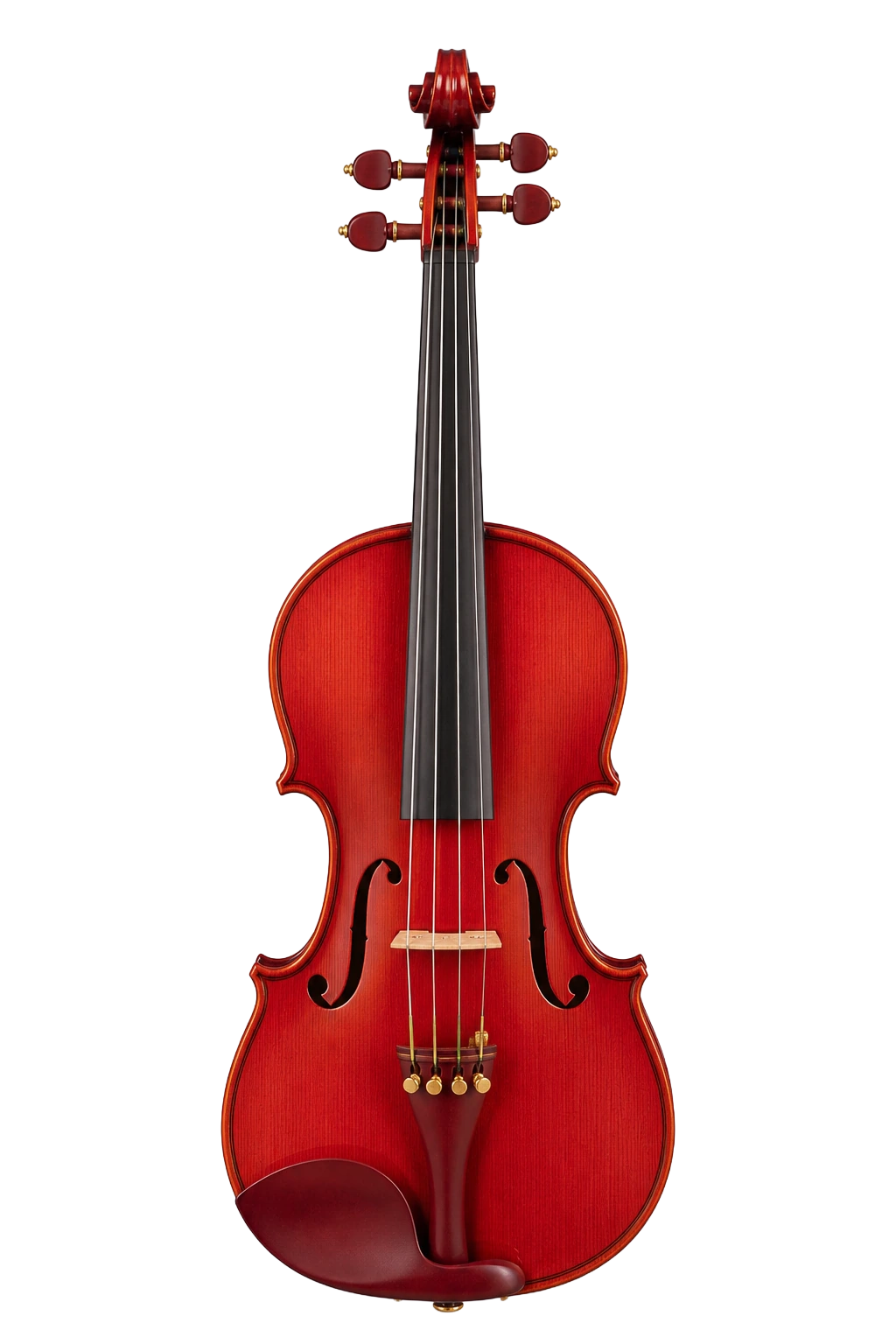
A finished violin standing upright, its amber varnish catching the light

The Violin

Modello Casteldoro, after the old Cremonese proportions

Each violin begins as two billets chosen by ear from the attic library, split, never sawn, so the grain runs true. The arching is carved to shadow lines Aurelio drew in 1972, and no two tops are graduated alike: the wood decides, the maker listens.

Top
Val di Fiemme spruce, seasoned 14 years
Back & ribs
Balkan maple, deep flame
Neck
Quarter-sawn maple, boxwood crown
Fittings
Ebony, hand-fitted
Varnish
Oil, 22 coats, sun-dried
String length
328 mm

From the ledger €24,000

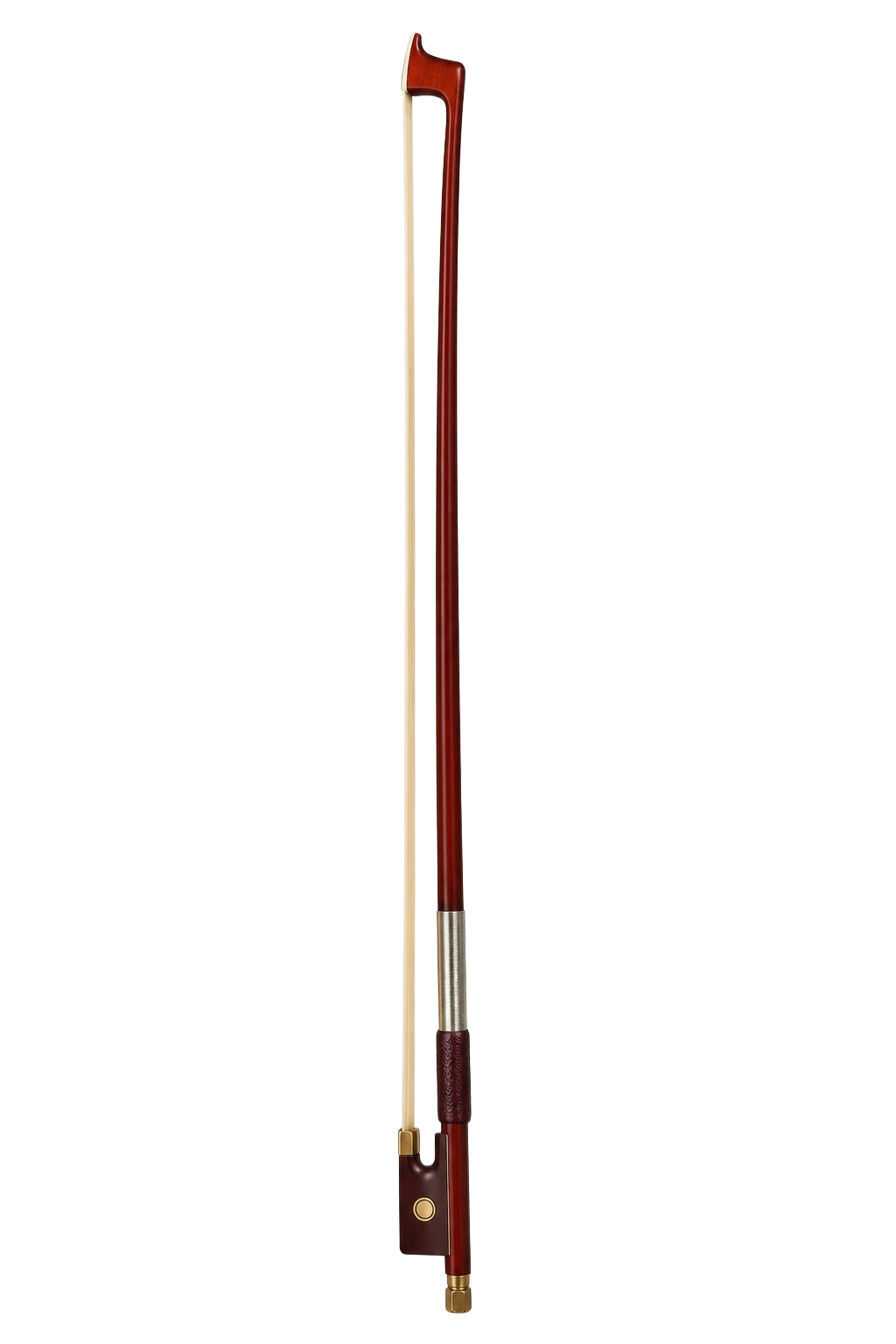
A violin bow photographed vertically, frog and silver winding visible

The Bow

Round stick, silver-mounted, after the French manner

Ottavio came to bows through repair, which is to say through the mistakes of others. His sticks are cambered over a spirit lamp in candle-quiet passes; the balance is set for players who draw the sound out rather than press it in.

Stick
Seasoned ipê, round section
Frog
Ebony, silver-mounted
Weight
61 g
Balance point
265 mm from frog
Hair
Mongolian white, unbleached
Winding
Silver wire, lizard grip

From the ledger €3,800

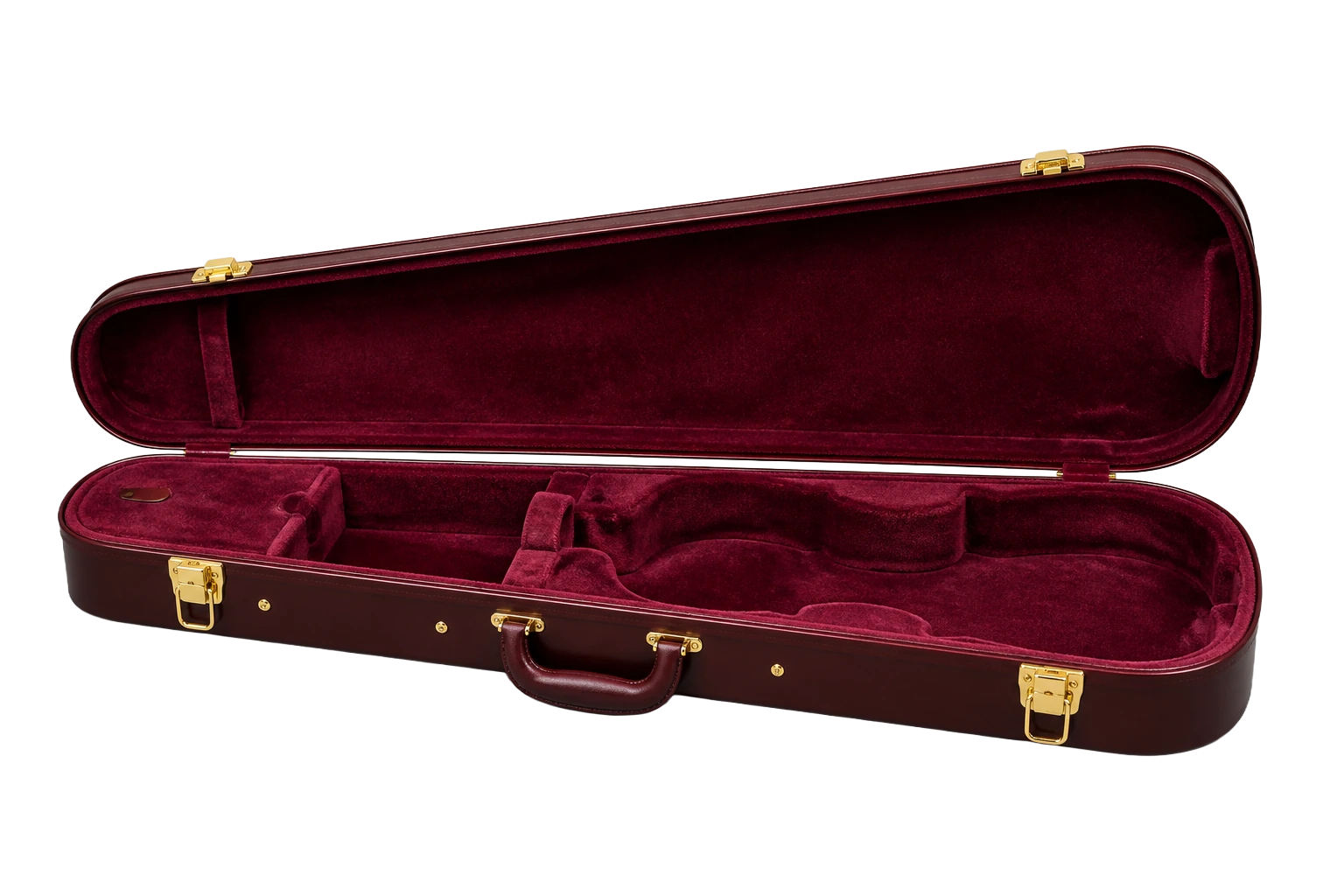
An open violin case lined with deep red velvet

The Case

A travelling case built like a small instrument

The case is made in the same room as the violins, of poplar laminate bent on the old forms. Garnet velvet, a brass hygrometer, and a compartment sized to a rosin cake and a letter, because every instrument that leaves us is expected to write home.

Shell
Poplar laminate, five-ply
Lining
Garnet velvet, horsehair padding
Fittings
Brass, hand-aged
Mass
3.2 kg
Climate
Brass hygrometer, humidor tube
Cover
Waxed canvas, leather spine

From the ledger €1,450

The Varnish Room

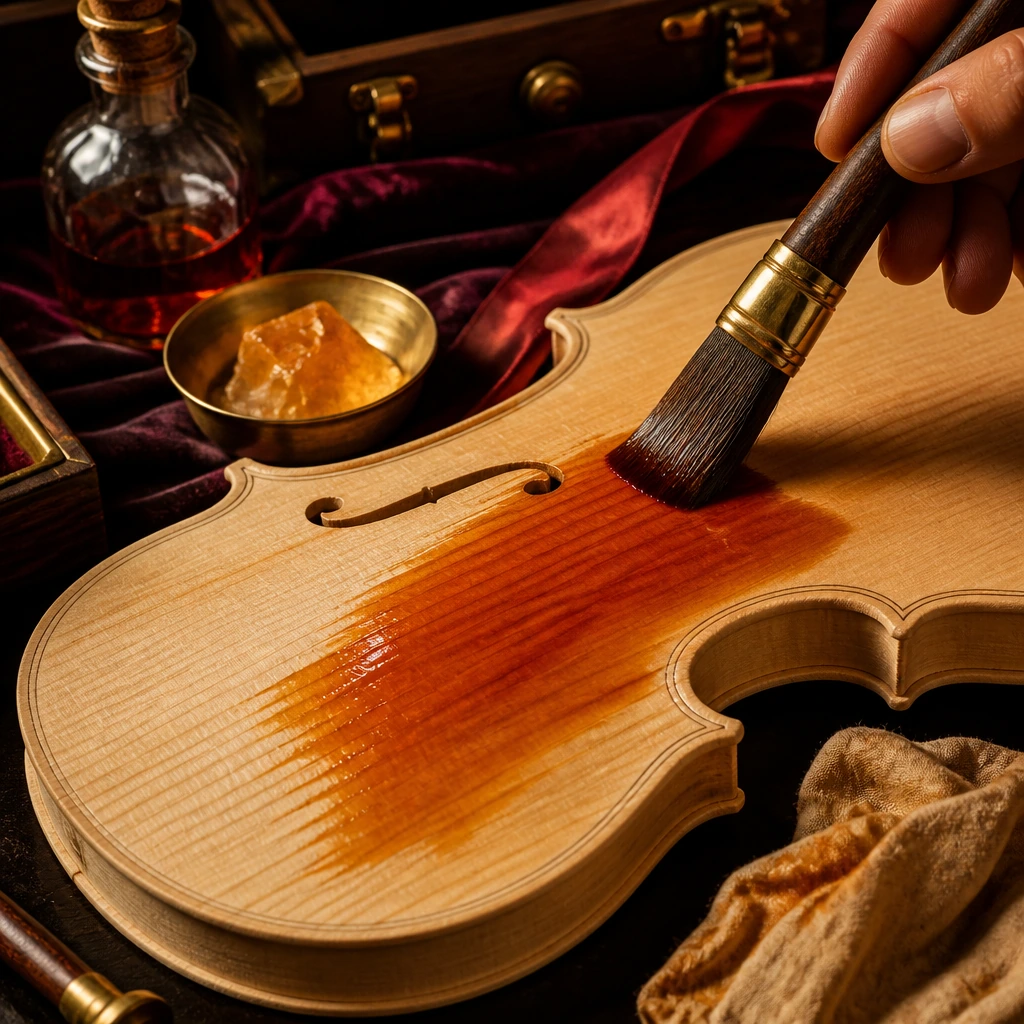
A varnish brush laying a coat of deep amber over a violin top, close enough to see the grain
The eleventh coat, laid before nine in the morning.

Our varnish is cooked in autumn, in the yard, from oil and resins whose proportions are written in a hand we can no longer consult. Twenty-two coats, each thinner than the last, each cured in the south window until the surface will take a thumbprint and give it back.

Colour is the wood’s decision. We only escort it: a golden ground, then reds laid over like late light on brick. Asked to match a photograph, we decline politely and pour the visitor more coffee.

“Varnish is the part of the violin that keeps arriving after the maker has stopped.”

Aurelio Madrigal, ledger margin, 1989

A Commission, in Four Movements

From first letter to delivered instrument is, at present, a little under two years. The programme is unchanged since 1994 and is performed without intermission.

  1. Colloquio · adagio, unhurried

    A conversation before anything else. You visit, or we exchange letters and recordings. We listen to how you play and, more carefully, to what you complain about. The waitlist opens twice a year, in spring and autumn.

  2. Il Legno · con cura

    Wood is chosen from the attic library: tap tones struck, grain read, a billet set aside under your name. Players who visit choose between two or three matched sets. Most close their eyes to decide. This is correct.

  3. Costruzione · andante, five months

    Five months at the bench, then a summer in the varnish room, where coats are laid on in the morning and cured in the south window. We send three photographs during this time and answer no questions about the colour.

  4. La Consegna · vivace, then a year of patience

    Delivery in person, always. Then the adjustment year: two returns to the bench are included, for the sound post to be moved by fractions and the instrument to be told it is behaving well. It will have opinions. So will you.

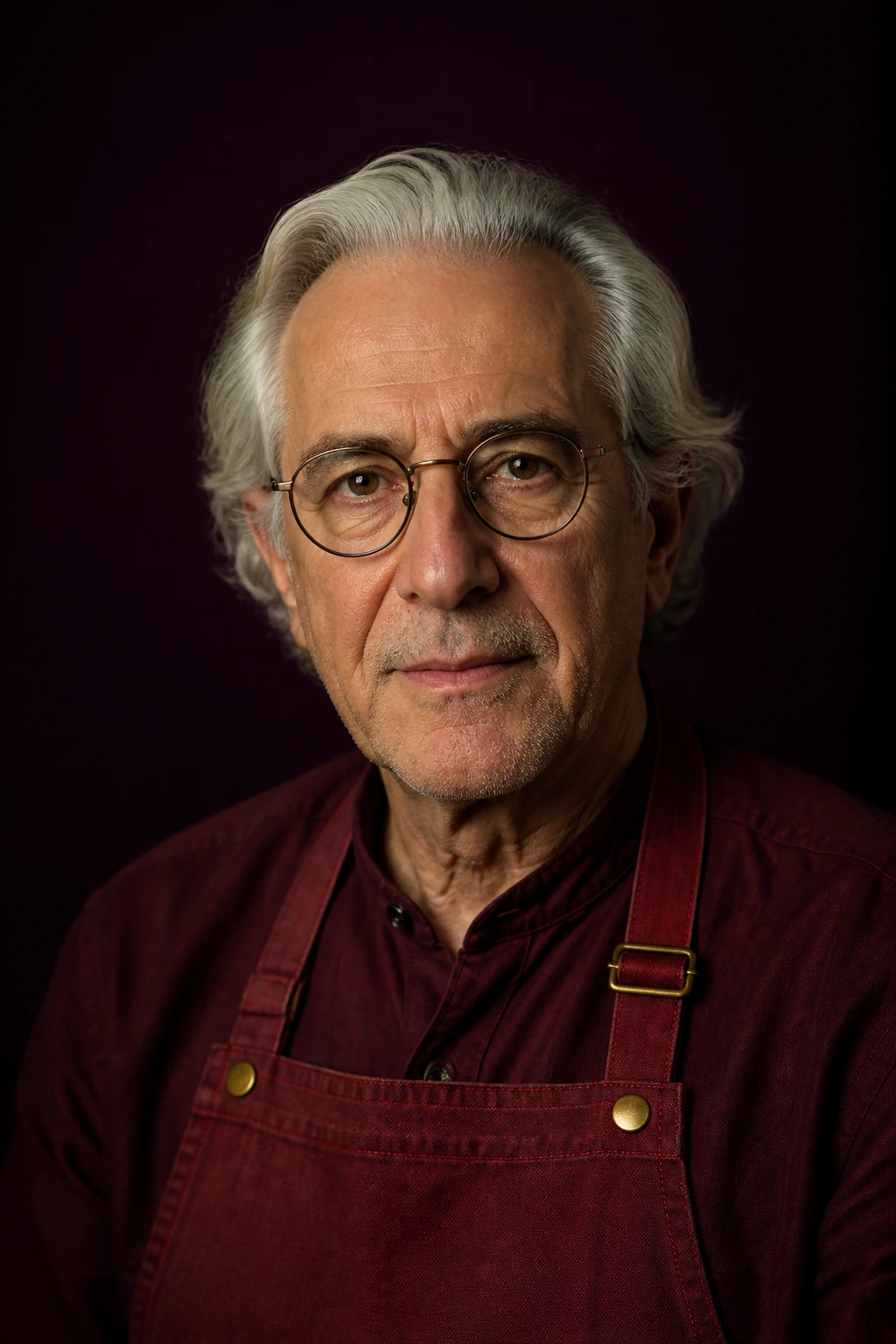
Ottavio Madrigal, white-haired and spectacled, in his burgundy work apron
Ottavio at the front bench, photographed in the varnish room window.

The Luthier

Ottavio Madrigal · second of the name

Ottavio has kept the front bench since 1994 and the glue pot since 1979. He trained under his father and, by his own account, under every instrument that came in for repair: “the broken ones are the honest teachers.” His violins carry the house model forward with a slightly fuller lower bout and a varnish he will discuss only in the past tense.

He is assisted three days a week by his daughter Bianca, who rehairs the bows, keeps the ledger, and is teaching the workshop cat nothing, because the cat was here first.

Concerts & Placements

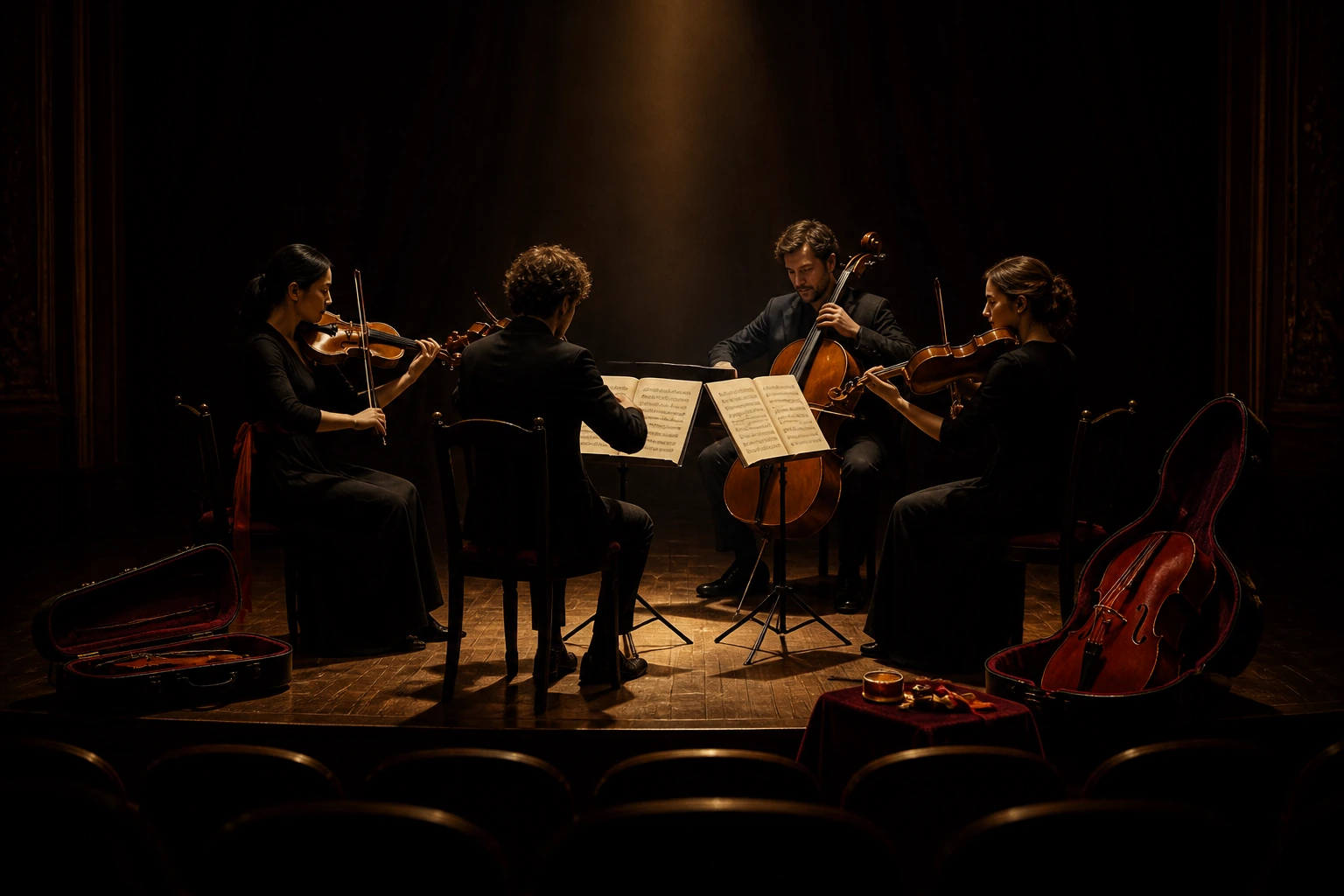
A string quartet on a warmly lit stage, two Madrigal instruments among them
The Merle Quartet at the Teatro Aurelio, spring programme, 2026.

Our instruments work for a living. The ledger currently places them in the following hands, among others who prefer not to be listed:

  • Orchestra del Teatro AurelioPrincipal second violin · Casteldoro model, 2012
  • The Merle QuartetTwo violins and a bow · touring since 2016
  • Camerata di San FelicianoConcertmaster · violin № 214
  • Elena CorvattaSoloist · violin № 198, "la Rondine"
  • Jun HasebeRecitalist · commissioned pair, violin and bow, 2023
  • Conservatorio di CasteldoroThree student instruments on permanent loan

Visiting the Atelier

The workshop is open to players, students, and the politely curious. Ring the lower bell; the upper one has been ornamental since 1983.

Address

Vicolo dei Liutai 7
Casteldoro, 53077

Hours

Tuesday – Friday, 10–18
Saturday by appointment

Correspondence

bottega@madrigal.example
Letters answered on Mondays

Repairs and rehairs are taken Tuesday mornings, in the order the cases arrive.