
01
It is not at a decision
A sign twenty metres past the fork is worse than no sign, because it confirms a choice already made. We map the forks first and hang signs only there.
Wayfinding / Oslo / siden 2011
We map every fork in a building, name things the way people already name them, and then hand a stranger a stopwatch.
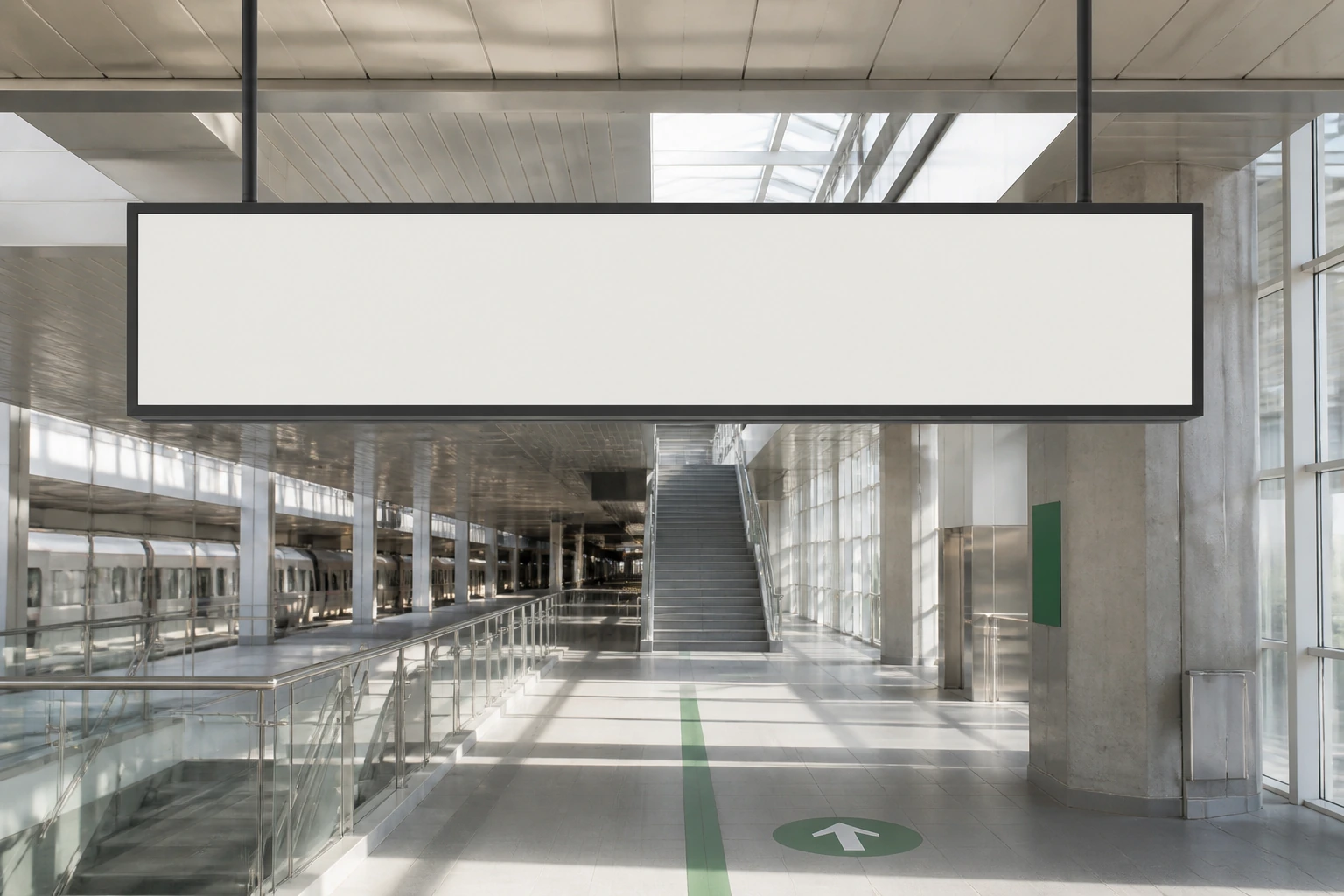
Before anything is drawn, we walk the building the way a first-time visitor does: from the wrong entrance, in a hurry, carrying something.
A sign is only useful where a person has to choose. We map every fork in the building, count them, and then remove the signs that are not at one.
Not what the department is called on the org chart. If everyone calls it the old wing, the sign says the old wing.
Twelve people who have never been in the building, given a destination and a stopwatch. We publish the failure rate to the client, including the embarrassing one.
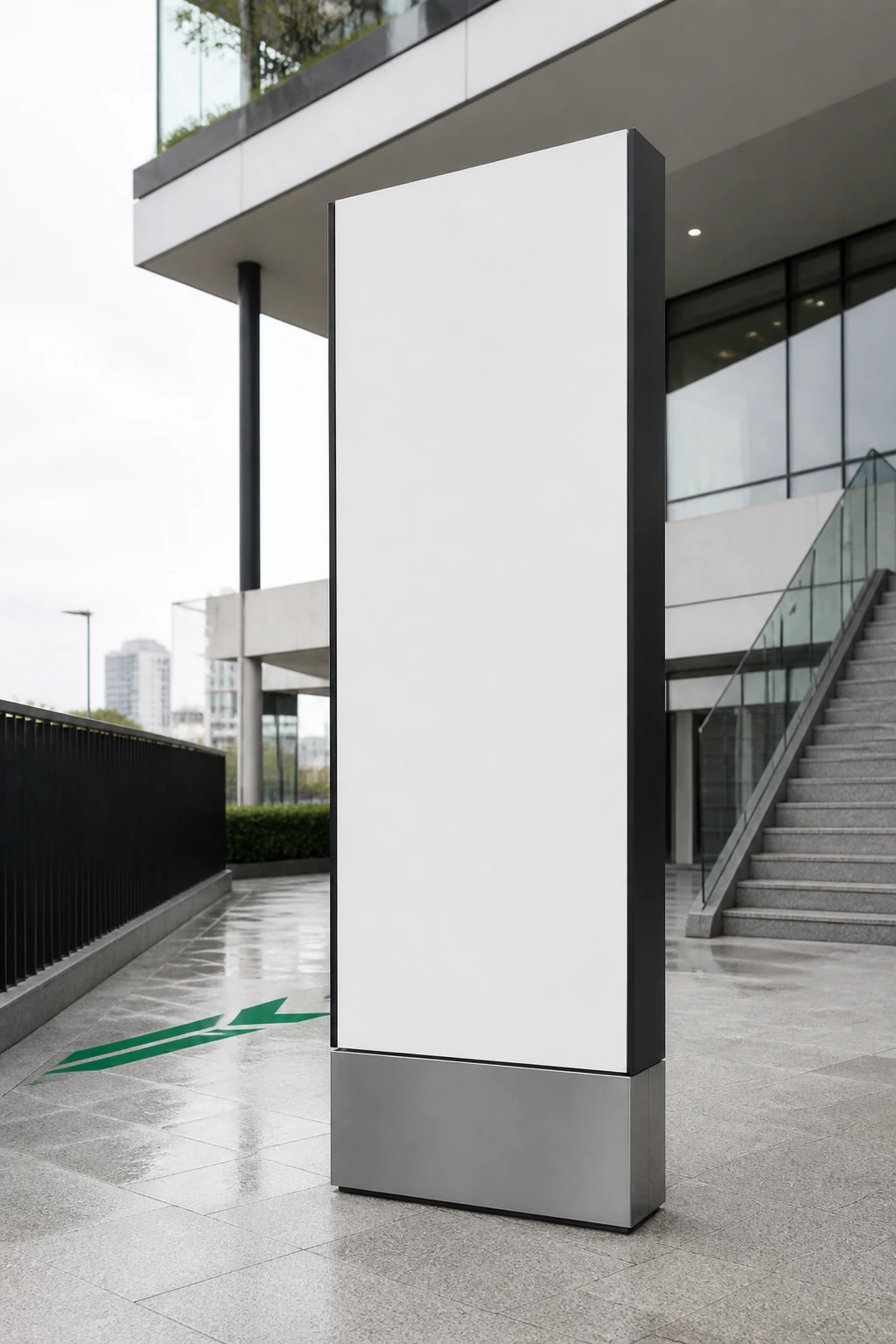
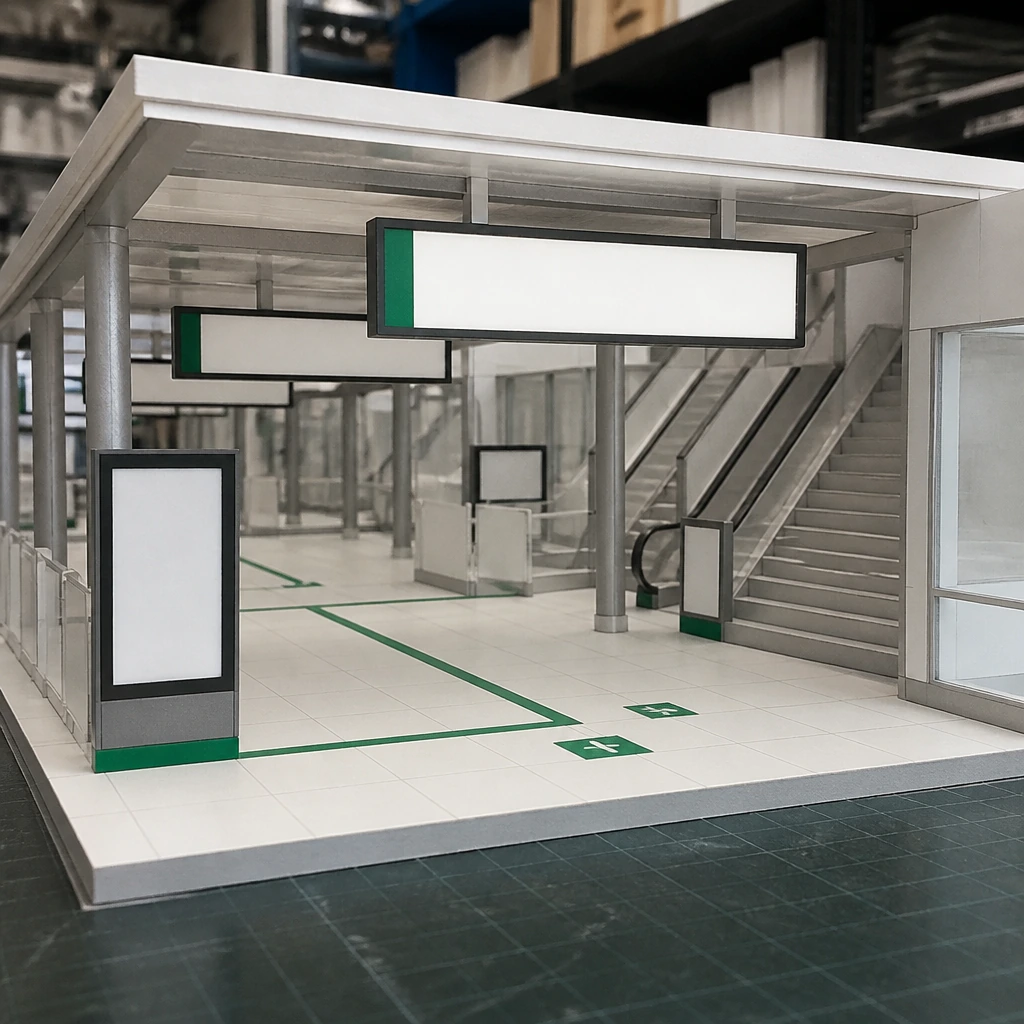
Twelve strangers, one destination each, one stopwatch. If more than two of them stop and look around, the sign is in the wrong place and we move it before anyone signs off.
The report goes to the client with the failure rate on the first page, not in an appendix. In eleven of forty-six schemes the first round failed, and saying so is the entire value of doing it.
We test again after installation, with different people, in the weather the building actually gets. Signs that work in June and fail in a January afternoon are a real category.
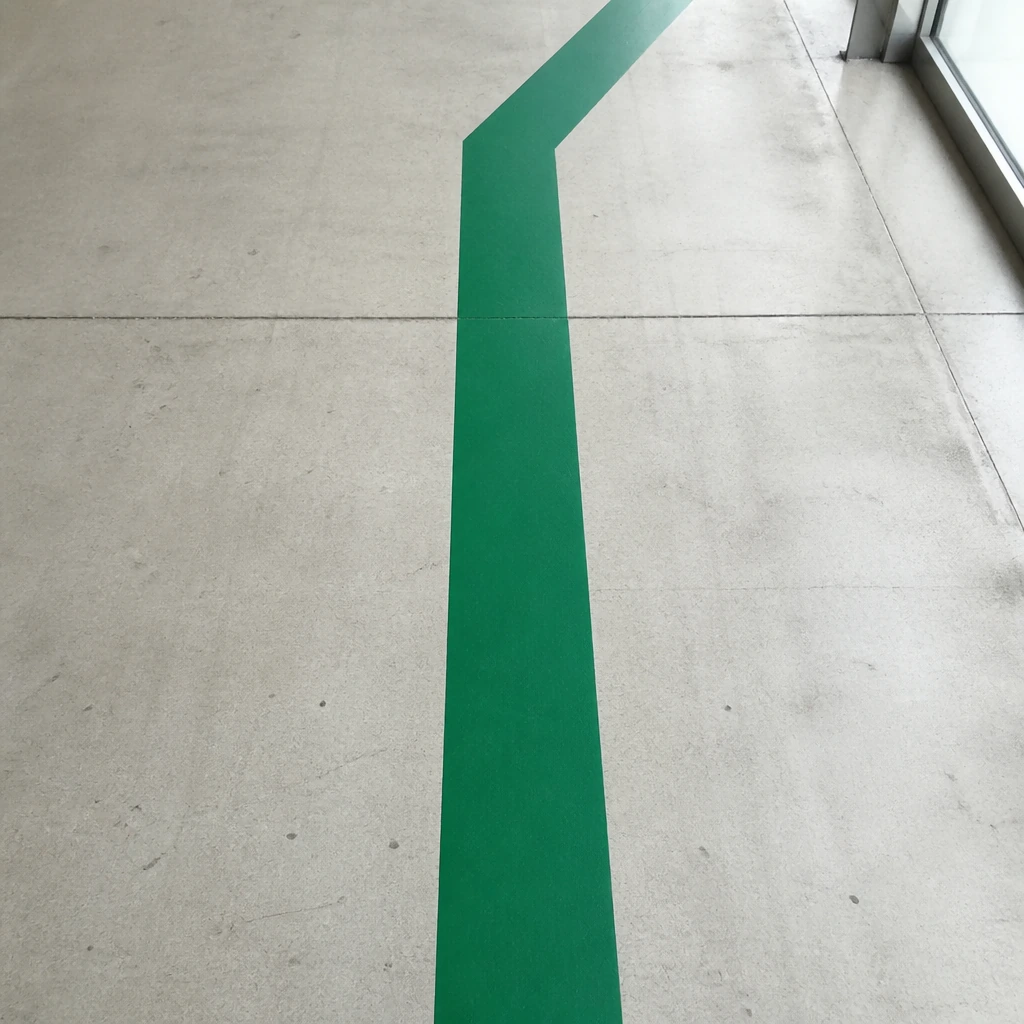
Almost never legibility. These three account for most of what we are called in to fix.
01
A sign twenty metres past the fork is worse than no sign, because it confirms a choice already made. We map the forks first and hang signs only there.
02
The org chart says Department of Ambulatory Services. Everybody says the day unit. The sign that says both is the sign that works.
03
Read at thirty metres, twelve metres and two metres, in that order, with a different amount of information at each. Most systems only design the last one.
The house specification. Deviating from it needs a reason written down.

